
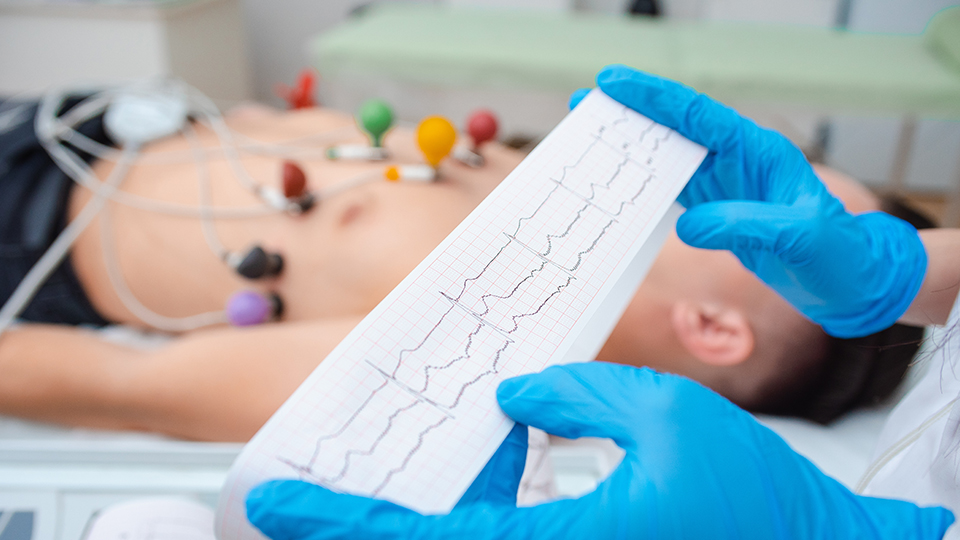
EKG
EKG is short for electrocardiogram. This exam checks the heart’s electrical activity. This can help find the cause of otherwise-unexplained chest pains such as pericarditis or angina.
An EKG can also help potentially determine:
+Whether a pacemaker is working correctly
+Whether the patient has had a heart attack
+Strength and timing of heartbeat
+Abnormal heart rhythms (arrhythmias and atrial fibrillation)
+If medications are having a side effect on the heart
+Heart health when other conditions such as high blood pressure and diabetes are present
+The cause of heart disease symptoms.
In portable diagnostics, an EKG and CXR are often ordered together if the clinical context dictates it; the combined exam can, with a broader diagnostic net, help illuminate status changes, when the clinical picture is fuzzy, or when it is suspected that both the heart and lung may be involved. It is for the patient’s clinical provider to decide whether both the heart’s electrical function and heart/lung structure state should be studied in tandem or not.
